General educational information. Rules, coaching practices and safety requirements vary by sport, age, venue and governing body.
What the sport is about
The basic objective is to move through the water efficiently using a recognized stroke or recreational technique. At beginner level, the most useful goal is not to imitate elite competition; it is to understand the flow of play, move safely and make simple decisions with enough time to learn.
Playing area and match flow
The activity usually takes place on pools, open water or supervised aquatic facilities. Players should learn the main boundaries, restart procedures and how possession or turns change. Exact dimensions and match lengths depend on age, venue and organizer.
Core skills to practise
- streamlined body position
- rhythmic breathing
- balanced kick and pull
- safe starts and turns under instruction
- pace awareness
Roles and teamwork
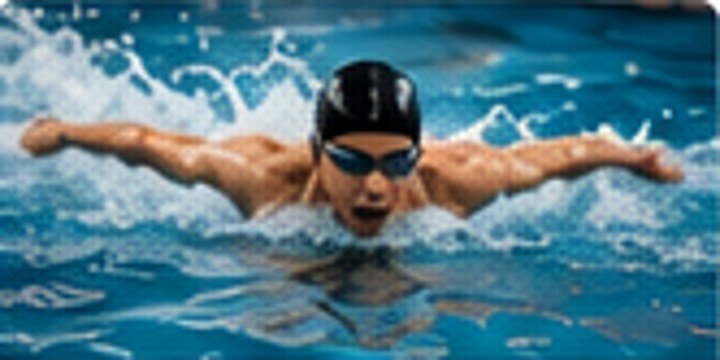
Common roles include freestyle swimmer, backstroke swimmer, breaststroke swimmer, butterfly swimmer and relay swimmer. Roles help organize responsibilities, but players still need to communicate, support teammates and understand what happens away from the main action.
Equipment and preparation
- proper swimwear
- goggles that fit comfortably
- swim cap where useful or required
- supervision and safety equipment appropriate to the venue
International differences
Pool lengths, start rules, open-water procedures and equipment rules vary. Follow the facility and competition organizer. Always use the current rules and equipment requirements supplied by the competition, school, club or facility.
A simple beginner practice
Use a gradual warm-up, one technical theme, a small game or task that requires decisions, and a short review. Keep instructions brief and give players enough repetitions to notice improvement without turning the session into exhaustion.

Plain-language sports research and editorial organization. No claim of professional coaching, medical or competitive credentials.